


Mythbusters
Many common beliefs about the environment are misleading. Here, we separate myths from facts, explain why, and give you tips on how to make a difference.
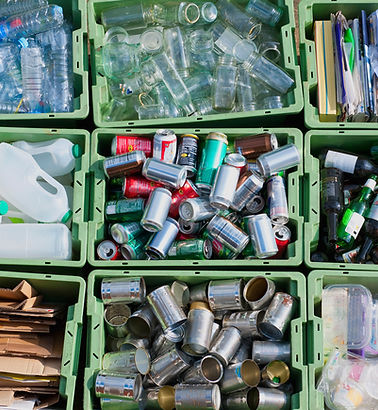
Myth 1
Recycling Doesn't Matter
Fact: Recycling significantly reduces waste, saves energy, and conserves natural resources.
Explanation: Recycling one ton of paper saves 17 trees, 7,000 gallons of water, and enough energy to power a home for six months.
Action Tip: Recycle paper, plastics, and metals correctly, and encourage friends and family to do the same.
Resource: EPA – Recycling Basics
Myth 2
My Small Choices Won't Make A Difference
Fact: Individual actions do add up; when millions of people make eco-friendly choices, the impact is significant.
Explanation: Reducing energy use, using reusable items, or biking instead of driving can collectively lower carbon emissions and influence policies.
Action Tip: Start with small daily steps like reducing plastic use, conserving water, or switching to energy-efficient products.
Resource: World Resources Institute
Myth 3

Climate Change Isn't Real
Fact: Current climate warming is happening much faster than historical natural changes due to human activities like burning fossil fuels.
Explanation: Extreme weather events, rising global temperatures, and shrinking ice sheets are all linked to human-induced climate change.
Action Tip: Reduce energy use, support renewable energy, and advocate for climate policies in your community.
Resource: NASA Climate Change Evidence
Myth 4
Plastic In The Ocean Can Be Ignored
Fact: Millions of tons of plastic enter the oceans annually, harming wildlife, leaching chemicals, and entering the food chain.
Explanation: Marine animals ingest or get entangled in plastic, which disrupts ecosystems and eventually affects human health through seafood.
Action Tip: Reduce single-use plastics, participate in beach cleanups, and support policies limiting plastic waste.
Resource: National Geographic – Ocean Plastic

Myth 5

Biodiversity Loss Doesn't Affect Humans
Fact: Losing species disrupts ecosystems that provide food, clean water, medicine, and climate regulation.
Explanation: For example, sea turtles help maintain healthy coral reefs, which protect coasts and support fisheries. The critically endangered Hawksbill turtle has lost over 80% of its population in the past century.
Action Tip: Protect habitats, plant pollinator-friendly gardens, and support conservation organizations.
Resources: