


One
Health
What is One Health?
One health is the idea that the health of people, animals, and the environment are all connected. When ecosystems are healthy, animals thrive - and so do we! From the air we breathe to the food we eat, our well-being depends on the world around us.
Why One Health Matters
-
Disease Prevention: Many diseases, like COVID-19, avian flu, or Lyme disease, can move between animals and humans. Studying these connections helps prevent outbreaks.
-
Ecosystem Health: Healthy environments support biodiversity, which in turn protects humans and animals from ecological collapse.
-
Food Security: Livestock and wildlife health affect the safety and availability of our food.
-
Mental and Community Well-Being: Interactions with animals, green spaces, and sustainable communities contribute to emotional health and resilience.


Lyme Disease & Ticks
Lyme disease spreads from ticks that feed on small mammals like mice and deer. Human exposure increases when we enter affected environments
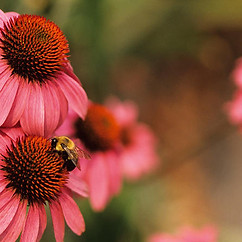

Pollinators & Food Security
Bees, butterflies, and other pollinators are essential for growing many foods. Environmental changes and pesticides threaten their populations—and our food supply
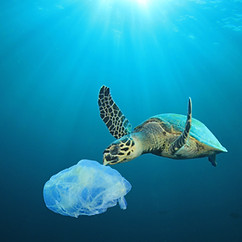

Ocean Health & Communities
Overfishing, pollution, and warming seas impact marine animals and the people who rely on seafood for food and livelihoods.
Check out these real-world examples of one-health in action! Hover over each one to learn more.
How One Health Works
One Health integrates multiple fields to solve complex health challenges, because no single discipline can address the connections between humans, animals, and the environment alone.
By working together, these experts identify risks early, create preventive measures, and design solutions that protect the health of all living things—people, animals, and the planet.

1 / Veterinarians
Monitor domestic and wild animals for diseases that could affect humans or other species. They help track outbreaks, vaccinate animals, and advise on safe interactions with wildlife.
2 / Medical Professionals
Study patterns of human health and disease, investigating how illnesses may be linked to animals or environmental changes. Their work informs public health strategies and outbreak responses.
3 / Ecologists & Environmental Scientists
Examine how ecosystems function, how species interact, and how human activity impacts habitats. They provide insight into preserving biodiversity and preventing ecological collapse.
4 / Social Scientists & Policy Makers
Analyze human behavior, culture, and societal systems to develop solutions that communities can adopt. They help ensure health strategies are equitable, practical, and culturally sensitive.
What You Can Do

1
Protect Wildlife
Support conservation projects that preserve natural habitats and safeguard biodiversity. Every species plays a role in maintaining the balance that keeps humans and ecosystems healthy.
2
Live Sustainably
Reduce your environmental footprint by conserving water, minimizing waste, choosing sustainable products, and reducing pollution. Small lifestyle changes add up to big collective impact.
3
Keep Learning
Educate yourself about how human, animal, and environmental health are connected. Share what you learn with friends, family, or your community to spread awareness.
4
Advocate for Change
Support policies and initiatives that promote clean water, safe food systems, animal welfare, and environmental protection. Use your voice to influence leaders and institutions.
One Health reminds us that humans are not separate from nature. We are part of a complex system where the health of one affects all.
By protecting animals and the environment, we are ultimately protecting ourselves.
Resources
-
CDC One Health – Information on zoonotic diseases and public health.
-
WHO One Health – Global perspective on human-animal-environment health.
-
One Health Commission – Collaborative projects, case studies, and educational resources.
Check out my blog to learn more and dive even deeper into these topics — from pollinators and ocean ecosystems to climate impacts and conservation success stories.