


Experiencing Kenya: A Journey Through Tsavo East and Elephant Conservation
- Anna Casperin

- Dec 9, 2025
- 2 min read
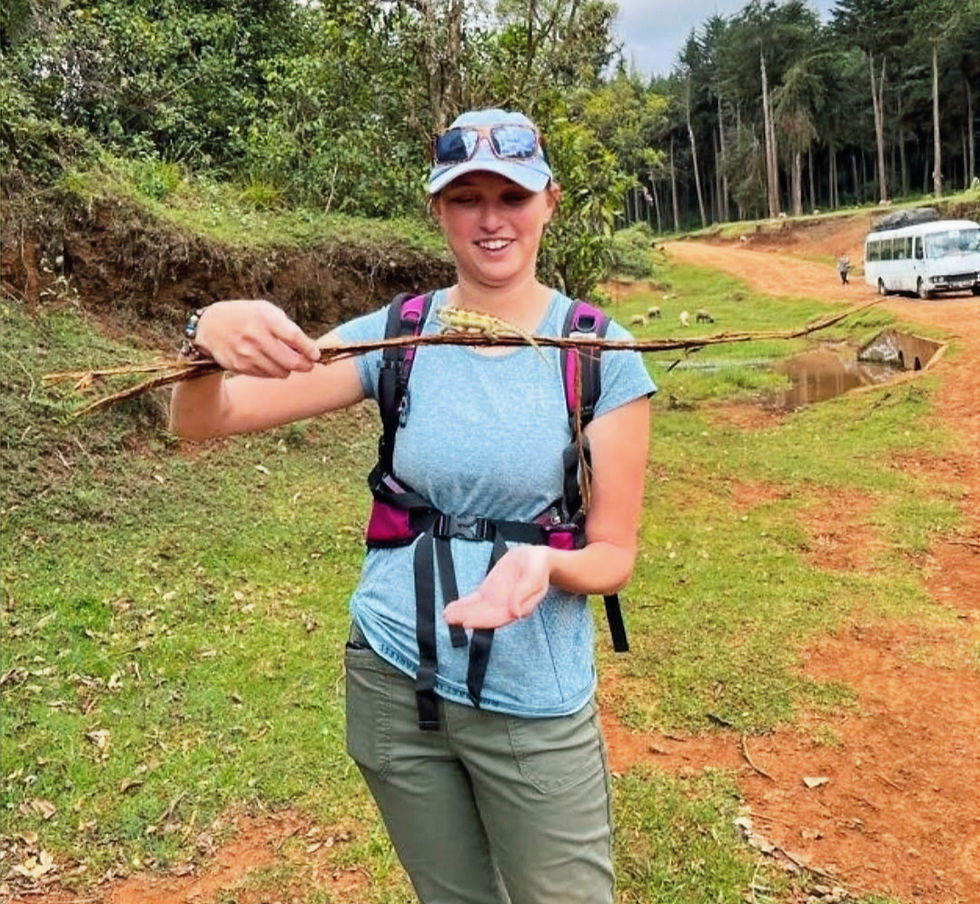
In the fall of 2022, I spent two weeks in Kenya on a study abroad trip through my university, exploring the intersection of social work, environmental conservation, and One Health - the understanding that human, animal, and ecosystem health are deeply interconnected. The course, offered in collaboration with the Africa Network for Animal Welfare, was immersive, field-based, and centered on experiential learning.
For two nights, we camped near the entrance of Tsavo East National Park, surrounded by lush greenery and teeming wildlife. On December 8th, we spent the day driving through the park. It was striking to see the landscape change: the verdant areas near our camp gave way to parched, brown terrain as we ventured further, a stark reminder of the ongoing drought. Wildlife sightings became sparse, and many animals were noticeably thin, highlighting the harsh realities of climate stress and environmental change.
The Sheldrick Wildlife Trust

Later that day, we visited the Sheldrick Wildlife Trust, a sanctuary dedicated to rescuing and rehabilitating orphaned elephants so they can return to the wild. The experience was unforgettable. We had the opportunity to touch and interact with the elephants, learning that they can even recognize people. One fascinating trick is that if you blow gently into an elephant’s trunk, it may remember you.
One baby elephant we met had been caught in a snare, losing part of its trunk. Remarkably, it still manages to use it and has the potential to be successfully released back into the wild.
Confronting the Reality of Poaching

Next, we visited the research center next door, where the skulls of elephants who had died from poaching or drought were carefully cataloged. Walking around the building was sobering. Each skull represented a life lost and told a story, whether from human threats or environmental hardship. The center keeps meticulous records of each elephant, helping conservationists track poaching patterns, understand population changes, and inform strategies to protect the remaining herds.
This day in Tsavo East - from the drought-stricken landscapes to the resilience of the elephants - illustrated the intricate balance between humans, animals, and the environment. It reinforced the importance of conservation efforts, sustainable land use, and community-based initiatives that support socio-environmental justice.
For anyone passionate about wildlife, experiencing organizations like the Sheldrick Wildlife Trust firsthand is both eye-opening and inspiring. The elephants’ strength and the dedication of conservationists serve as a reminder that even in the face of severe challenges, hope and recovery are possible.


If you’d like to support elephant conservation or learn more, consider donating to organizations like the Sheldrick Wildlife Trust or spreading awareness about the impacts of poaching and habitat loss. Witnessing these magnificent animals and their caretakers firsthand has left an indelible mark on me, and it’s a journey I hope more people will take to understand the urgent need for wildlife protection.


Comments